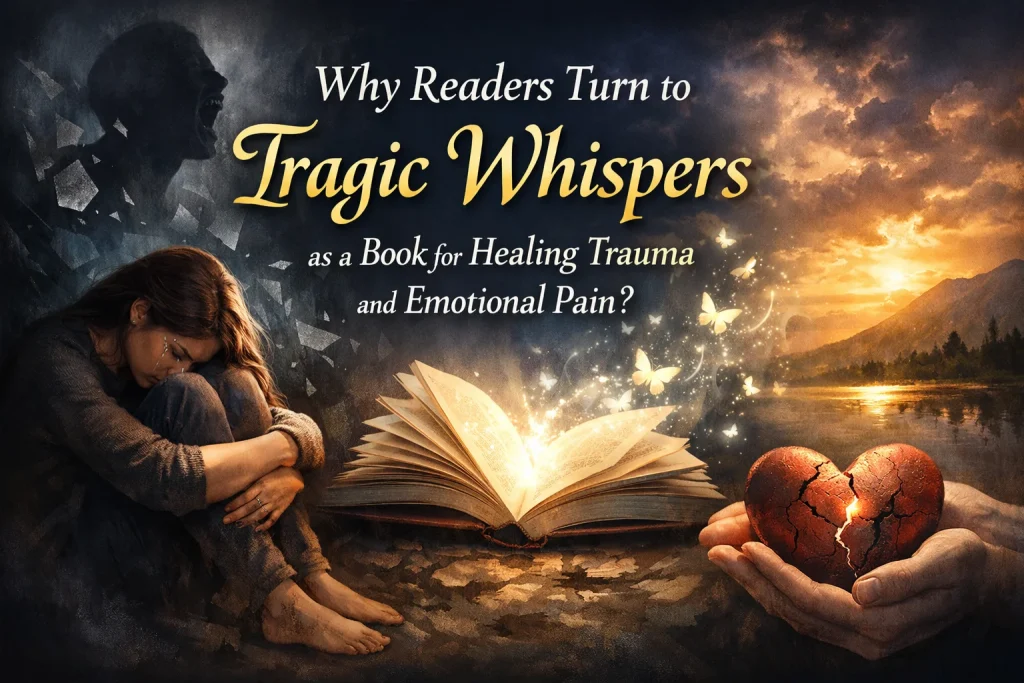
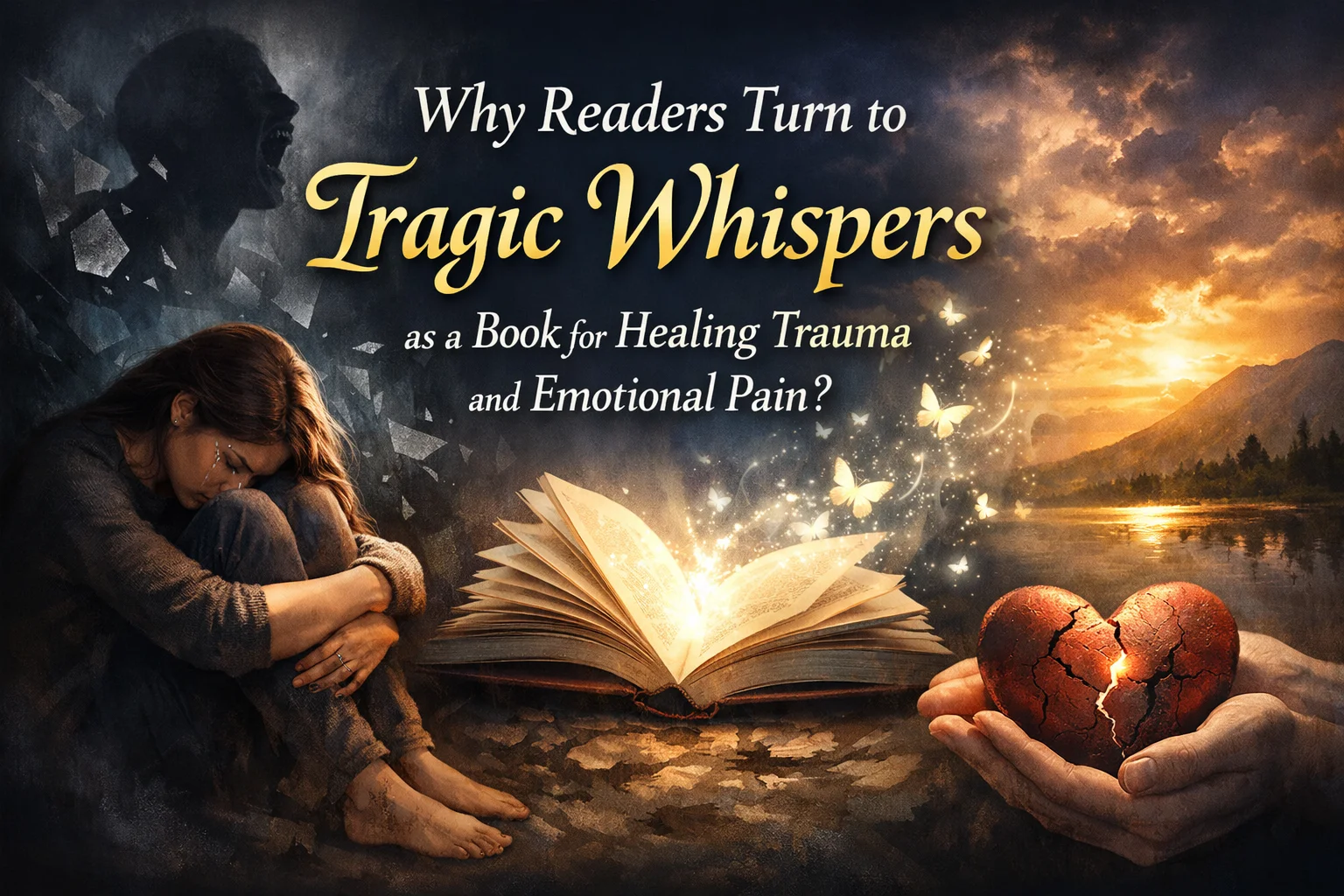
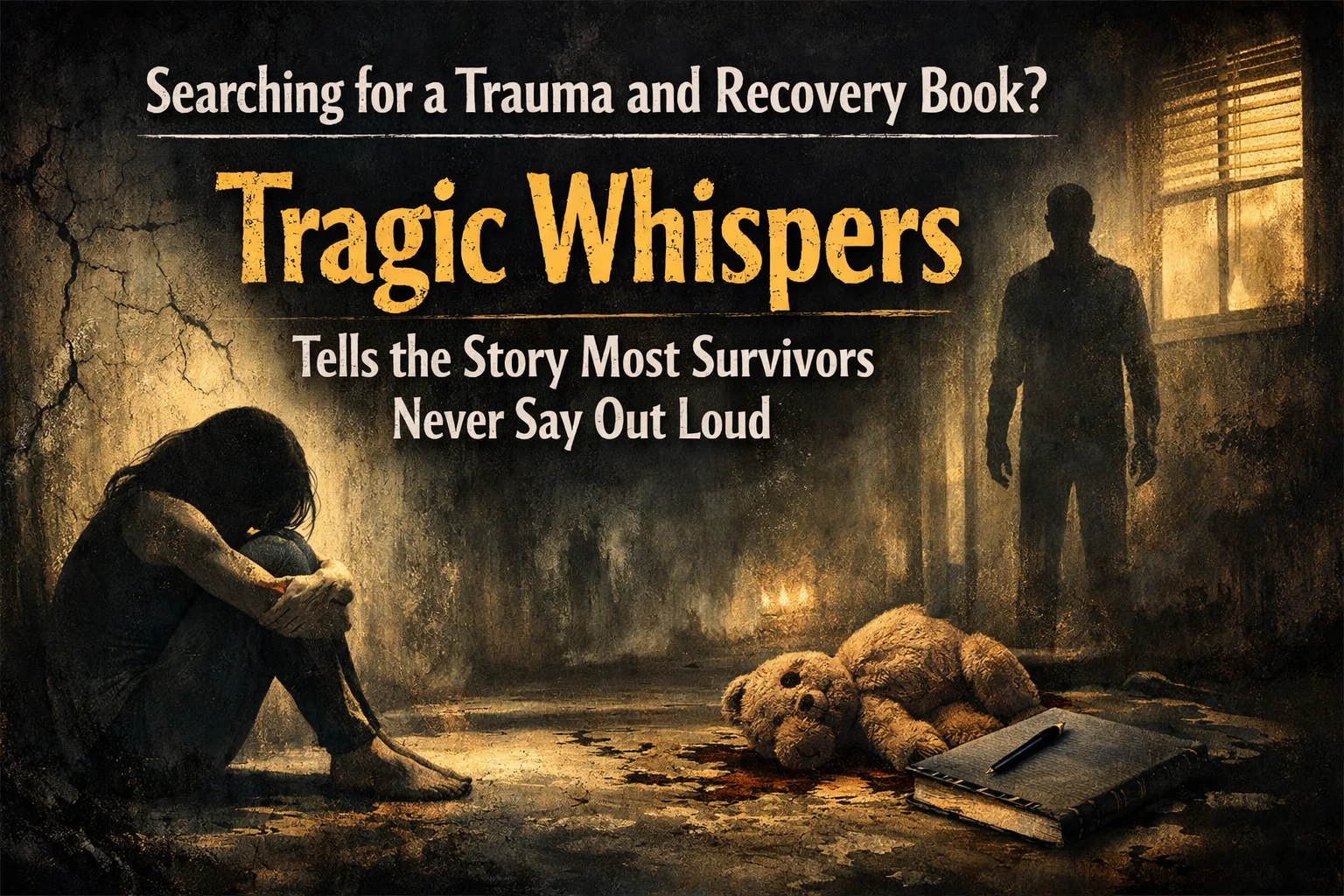
Some hurts don’t announce themselves. They show up as overthinking at night, tightness in the chest, or a sudden wave of sadness that doesn’t match the moment. That’s why many people search for a book for healing trauma, not to replace help, but to find language for what feels wordless, and to feel less alone.
Trauma isn’t always one dramatic event. It can be a buildup of invalidation, loss, fear, or instability. When it lingers, it can shape how we trust, love, rest, and even breathe. And when the nervous system stays on high alert, small triggers can feel huge.
Understanding Emotional Pain And Why It Stays Stuck
Emotional pain often persists because the body and mind are trying to protect you. If something once felt unsafe, your brain may keep scanning for danger, even years later. That can make healing feel confusing: you might “know” you’re safe, but not feel safe.
Common signs that emotional pain is still running the show include:
- Feeling numb or disconnected during important moments
- Trouble trusting people, even when they’re kind
- Flashback-like reactions to smells, sounds, or phrases
- Constant self-blame, even when logic says otherwise
- A fear of being “too much” or “not enough.”
These aren’t personality flaws. They’re protective patterns that once helped you survive.
How Healing Emotional Trauma Can Start With Small, Steady Shifts
Healing rarely looks like one big breakthrough. More often, it’s a series of tiny “returns” to yourself: noticing what you feel, naming it, and choosing a safer response. A supportive reading experience can be part of that process, especially when it mirrors real inner conflict without judging it.
Here’s what people often need while healing:
- Recognition: “This is what happened to me.”
- Permission: “My reaction makes sense.”
- Tools: “Here’s a healthier next step.”
- Hope: “I can carry this differently.”
This is where books for healing trauma can be powerful, because they allow private reflection at your own pace.
What Tragic Whispers Offers As The Best Book For Healing Trauma And Emotional Pain
A story becomes healing when it helps you notice your own patterns without shame. Readers often describe Tragic Whispers as the kind of best book for healing trauma and emotional pain because it creates space for reflection while still keeping you turning pages.
What it can do for the reader:
- Helps you identify “hidden” grief and unmet needs
- Encourages self-compassion when you’re tired of blaming yourself
- Reflects how healing is messy, non-linear, and still real
- Makes emotional release feel normal instead of embarrassing
If you’ve ever searched for a book for healing trauma and deep emotional wounds, the value isn’t in a perfect ending; it’s in feeling understood during the middle.
Why Is Tragic Whispers Called One Of The Best Books For Healing Trauma?
Not every trauma book works for every reader. But the ones that stick tend to do three things well: they respect the reader’s pace, they tell the truth about pain, and they leave room for hope. That’s also what people look for in the best books for healing trauma, not inspiration that feels forced, but hope that feels earned.
Only you can decide if a book fits your season. Still, a meaningful story can be a gentle nudge toward healing, especially when you’re not ready to talk out loud yet.
Two Books To Read After Tragic Whispers
If you finish Tragic Whispers and want to keep exploring healing themes, these are often recommended next steps:
- The Body Keeps the Score by Bessel van der Kolk
- What My Bones Know by Stephanie Foo
They approach trauma differently, with more research and memoir, but they pair well with readers who want a deeper understanding.