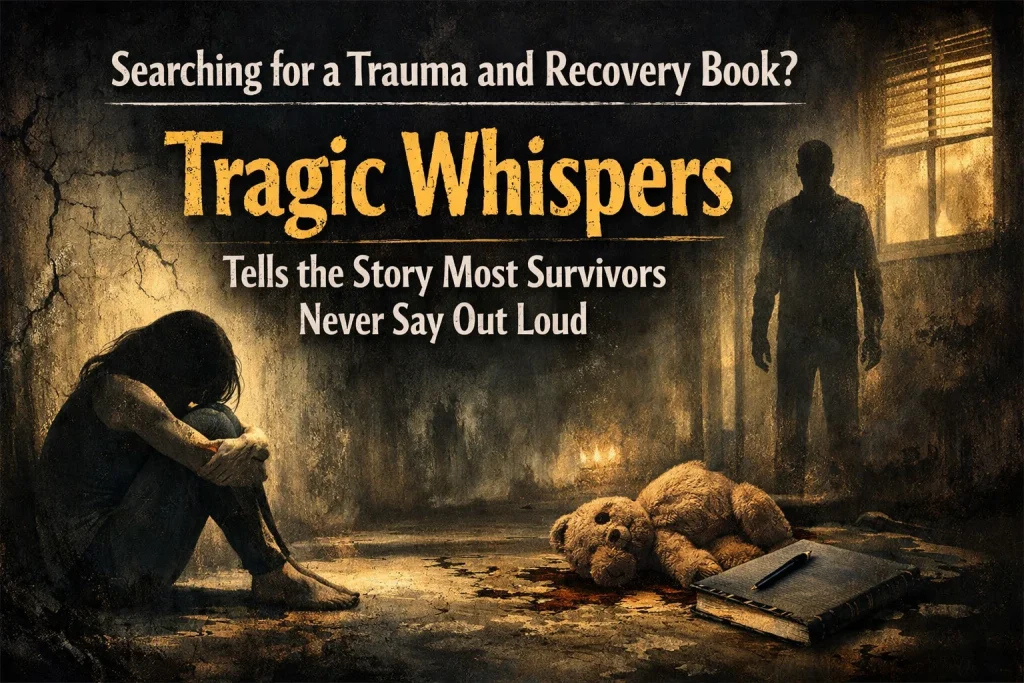
When “Moving On” Isn’t Working
If you’re searching for a trauma and recovery book, chances are you’re tired of advice that skips the hard parts. Trauma doesn’t disappear because someone tells you to be strong. It lingers in your nervous system, your relationships, and the way you talk to yourself when nobody’s listening.
A truly helpful book about trauma and recovery doesn’t lecture. It helps you recognize patterns, name what happened, and understand why healing can feel slow, even when you’re trying your best. The right story can become a mirror: not perfect, not polished, but honest enough to make you feel less alone.
What Trauma And Recovery Can Look Like In Everyday Life?
Many survivors don’t label their experiences as “trauma” for years. Sometimes it looks like high achievement with constant anxiety. Sometimes it looks like numbness, people-pleasing, or snapping at small things and not knowing why.
Here are common signals readers relate to when they begin exploring Trauma and Recovery:
- Feeling guilty for having needs
- Overexplaining, apologizing, or fearing conflict
- Struggling with boundaries, even with safe people
- Feeling “too sensitive,” then feeling ashamed about it
- Getting stuck in survival mode, busy, tense, or shut down
These aren’t character flaws. They’re often learned responses to environments that didn’t feel emotionally safe.
Healing From Emotional Abuse Starts With Naming The Invisible
Emotional abuse can be hard to describe because it often leaves no visible mark. Yet it can shape how you trust, how you attach, and how you see yourself. Healing from emotional abuse begins when you stop minimizing what you endured and start noticing the messages you absorbed: “I’m not enough,” “I’m responsible for everyone,” or “Love must be earned.”
A grounded trauma and recovery book helps you translate those messages into reality-based truth. It doesn’t promise instant transformation. It offers clarity, often the first real step toward change.
Generational Trauma Healing And The Stories Families Don’t Tell
Some pain is personal. Some is inherited, passed down through silence, explosions, emotional distance, or rigid roles. Generational trauma healing isn’t about blaming the past; it’s about refusing to repeat it.
You may notice patterns like:
- Family members avoiding accountability
- Normalizing harshness as “discipline.”
- Treating emotions as a weakness
- Praising resilience while ignoring harm
Understanding these patterns can be freeing. It helps you see that your reactions make sense in context, and that you can build something different.
Why Survivors Look For Stories That Feel True
Therapy can be powerful, but it isn’t always accessible, affordable, or effective right away. Some readers need a bridge: a story that speaks the emotional truth before they can speak it themselves. That’s where Tragic Whispers by Deana Elaine lands for many readers, by giving form to experiences that are often minimized or misunderstood.
If you’ve ever thought, “I can explain what happened, but I can’t explain what it did to me,” this kind of narrative can help.
Deana Elaine And A Book About Trauma And Recovery That Doesn’t Flinch
Tragic Whispers by Author Deana Elaine isn’t a checklist of healing steps. It’s a story-driven experience that reflects the inner reality of surviving what others might dismiss. The purpose behind a book like this is simple but important: to help readers feel seen, and to offer language for wounds that were never properly witnessed.
Readers often reach for it when they want a trauma and recovery book for readers who feel therapy hasn’t helped, not because therapy is useless, but because sometimes insight comes in layers. A story can soften the resistance, open a window, and let truth in safely.
What This Book Can Do For The Reader
A meaningful recovery-focused story can help you reconnect with yourself without forcing you to relive everything at once. As you read, you may notice your body exhale at moments you didn’t expect. You may recognize your own survival strategies with more compassion.
This is why many describe Tragic Whispers by Deana Elaine as a must-read style of book about trauma and recovery:
- It validates complex emotions without moralizing them
- It reflects how trauma can be quiet, confusing, and long-lasting
- It encourages self-honesty without demanding perfection
If you’ve been looking for the best trauma and recovery book for childhood emotional abuse, the emotional realism here can feel like a turning point, because it doesn’t rush the reader toward a neat ending.
Two Books To Read After You Finish
If Tragic Whispers by Deana Elaine resonates, these two reads can deepen your understanding in a practical, supportive way:
- The Body Keeps the Score by Bessel van der Kolk
- What My Bones Know by Stephanie Foo
They approach healing differently, one more clinical, one more memoir-based, so you can choose what fits your next step.