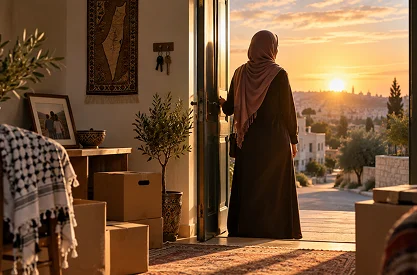
Many Arab families declare, “Our family name is everything,” with pride or as a warning.
It’s not simply a remark; it’s the law. This regulation is based on cultural expectations, family reputation, and intense generational pressure. It has an effect on how people communicate, make choices, and even love. But a lot of individuals give up their individuality and forget who they are to maintain that sense of family honor.
Why a Name Matters?
Your last name doesn’t simply tell people who you are in Arab culture; it also tells them what you’ve done. It tells of your family’s deeds and their respect in the community.
It may be nice when pride comes from being connected. But when honor becomes control, it starts to feel heavy. It seems like everything you do is predicated on what your family thinks of you, not your personal truth.
This continual endeavor to attain a balance may produce generational conflict, with younger people questioning traditions and older ones seeking to keep them alive. It is not a matter of rudeness; rather, it concerns striving for authenticity within a system that was established many years ago.
The invisible line
We don’t always see the rules when we’re kids; we simply feel them. People offer us harsh stares when we talk improperly, which makes specific subjects off-limits. All of this creates an invisible line between what is “acceptable” and what is “shameful.” That border may provide protection, or it may hinder self-expression. Many people learn early on that they must censor themselves in Arab homes, particularly if their words could reflect poorly on the community.
This leads to a conflict between following your heart and respecting your family.
Being in Two Worlds
People who grew up in both Arab and more individualistic cultures know this contradiction well. In one universe, being the same as everyone else meant being secure and loved. In another world, freedom means feeling positive about yourself and experiencing happiness. It seems like I am navigating two belief systems when I move between these worlds: one based on family honor and the other on personal freedom. Someone will feel deceived no matter how smoothly you maneuver between them.
When Silence Feels Safer?
Many Arab families don’t talk about freedom; they test it silently. It might seem like rebellion in setting boundaries, making your own decisions, or demonstrating your independence, even if they are tiny.
Over time, quiet may protect you, and you may conceal pieces of yourself not to trick people, but to stay alive. However, maintaining this way of living over an extended period prompts me to question: if I am unable to be authentic at home, where else am I able to be myself truly?
The person was put in a traumatic scenario because of these things, and they started to lose their sense of self. Breaking the silence doesn’t imply saying no. Finding peace with who you are and having the courage to live your truth are crucial. The finest book to read to break the quiet, get over these problems, and find peace is the Palestinian-American author’s trauma recovery memoir.
The Other Side of Honor
Most parents who stress family honor don’t want to hurt anybody. They think they’re protecting your future because in their universe, a positive name may help you and keep you safe. But love may turn into control, which can accidentally stop progress.
Honor based on fear is stifling; honor is based on understanding freedoms. Fundamental dignity doesn’t come from being quiet; it comes from caring, being honest, and being fair.
Finding the Middle Ground
So, can you keep your individuality and yet honor your family’s values?
Yes, but it’s not always simple. It begins with being courageous and communicating.
Find out how to establish limits without making things worse. Get family members who can see all sides of the problem. Get rid of the traditions that harm you and keep the ones that are vital to you.
Carrying the Lesson Forward
Pride and connection are encouraged mainly by family honor. Personal freedom offers vitality and genuineness.
The best way to be strong is to combine the two. The most profound peace does not arise from stillness but from a parent’s nonjudgmental listening or a child’s candid expression devoid of fear.
The most excellent approach to honor your family is to live a life that they can appreciate and that feels like your own.
Heal Your Trauma
Author Deana Elaine, the writer who carries two worlds with her wherever she goes, struggles a lot to pull the traumatized people out of their misery and help them pull through. Describing all the trauma she had faced and making people relate with her through her words over the years, she wrote Tragic Whispers, which is one of the best books about generational trauma and makes sure to convert people from being in trauma to becoming a trauma survivor.

FAQS
What is the concept of “family honour” in Arab society, and how does it impact people’s behavior?
Family honor in Arab culture is the dignity, reputation and moral standing of a family within the community. It can suppress individual expression and identity at times, as one may try to keep family image above their own freedom or choice.
How do you split the difference with respect to family pride -personal freedom in an Arab home?
Respect your family’s values, but learn to set limits in a way that protects your own identity. Communicate your preferences with respect, not defiance, and seek comprehension rather than permission. Real balance is being able to live one’s truth without completely losing sight of your origins.
Why do so many Arabs refuse to talk about private matters or break the silence?
Openly expressing private matters is considered a source of shame for the family or even disrespect. Al-Heshmeh becomes a manner by which to uphold relations, mutual respect and community peace in Arabic families.
What forms of pressure do children of traditional Arab families experience to fit in?
Young members of families of cultural Arabs can feel confined to acting in ways acceptable to the family, who demand they preserve the honor of the family name and its culture. They might feel mandated to make career, behavior, and relationship choices that are family-approved to preserve the family name and prevent tension between generations.
How do you establish boundaries in a family that values honor more than individuality?
One can establish boundaries in an honor-driven family, for example, if one communicates respectfully and empathetically. Establishing boundaries is not about denying your culture; it’s about striking a balance between family honor and personal peace, making room for honesty, respect and self-development.